If you’ve been hunting for a reliable way to protect your website from malicious traffic without sacrificing speed, you’ve probably stumbled upon Bouncer during your research. The big question on most buyers’ minds is whether Bouncer can truly balance security and performance, and if its feature set justifies the subscription cost compared to other options on the market.
In this review we’ll dig into the actual experience of using Bouncer, looking beyond the glossy marketing copy. We’ll explore the core technology, the flagship product, the rest of the lineup, pricing nuances, and who benefits most from the service. By the end you should have a clear picture of whether Bouncer fits your specific needs or if you’d be better off with a competitor.
AnalyzeBench Score: 8.2 / 10
Best for: Small‑to‑medium businesses that need solid DDoS mitigation and bot filtering without a heavyweight WAF.
What we loved: The real‑time analytics dashboard is intuitive, and the rule‑engine offers granular control without requiring deep security expertise.
Watch out for: Advanced custom rule creation can be a bit clunky, and the pricing tiers become less competitive for high‑traffic enterprises.
Bouncer positions itself as a “lightweight” security layer that sits in front of your site, filtering traffic before it reaches your server. Unlike traditional web application firewalls that sit deeper in the stack, Bouncer operates at the edge, leveraging a globally distributed network of points of presence (PoPs). This architecture reduces latency because malicious requests are dropped before they travel far, and legitimate visitors experience faster page loads.
The platform’s standout feature is its AI‑driven bot detection engine. By analyzing behavior patterns, request headers, and device fingerprints, Bouncer can differentiate between human users and sophisticated bots. The system continuously learns from new threats, updating its signatures without manual intervention. For businesses that lack a dedicated security team, this “set‑and‑forget” approach can be a major time‑saver.
Another differentiator is the transparency of its analytics. The dashboard presents traffic breakdowns, threat vectors, and real‑time alerts in a clean, visual format. Users can drill down into specific IPs, view request timelines, and even export logs for further investigation. This level of insight is often reserved for enterprise‑grade solutions, yet Bouncer makes it accessible to smaller operators.
Bouncer’s flagship offering, simply called “Bouncer Protect,” bundles DDoS mitigation, bot management, and a basic WAF. The service is delivered via a DNS‑level integration, meaning you point your domain to Bouncer’s nameservers and the traffic routing happens automatically. Once set up, the platform starts filtering out obvious threats within minutes.
Key components of Bouncer Protect include:
DDoS mitigation: Automatic detection of volumetric attacks with traffic scrubbing across the network.
Bot management: AI‑based classification that blocks known malicious bots while allowing good crawlers like Googlebot.
Basic WAF rules: Pre‑configured rule sets that protect against common OWASP Top 10 vulnerabilities.
Rate limiting: Configurable thresholds to curb brute‑force attempts on login pages and API endpoints.
From a usability standpoint, the onboarding wizard walks you through each step, from domain verification to rule selection. The default configuration is sensible for most sites, but you can fine‑tune the settings if you have particular needs, such as allowing traffic from a specific CDN or whitelisting certain IP ranges.
Performance testing performed by independent labs shows that Bouncer adds less than a few milliseconds of overhead for typical web pages, which is comparable to other edge‑based security services. This low latency is a direct result of the PoP distribution and the lightweight inspection engine.
For users who need more granular control, Bouncer offers an “Advanced” tier. This version expands the rule engine, letting you write custom JavaScript snippets that run on incoming requests. It also provides deeper integration with third‑party SIEM tools, enabling automated incident response workflows. While the extra flexibility is valuable for tech‑savvy teams, the learning curve can be steep for newcomers.
Bouncer Enterprise
The Enterprise tier is aimed at high‑traffic sites and large organizations. It includes dedicated account management, SLA‑backed uptime guarantees, and on‑premises hybrid deployment options for those who must keep certain traffic within private networks. The added support and customization come at a premium, and the pricing model is quote‑based, which can make budgeting a challenge.
Add‑on modules
Bouncer also sells optional modules such as “Geo‑Blocking,” “API Shield,” and “Advanced Bot Challenge.” These can be attached to any tier, allowing you to pay only for the features you truly need. The modular approach helps keep the base price reasonable, but the cumulative cost of multiple add‑ons can quickly approach the price of a full‑featured competitor.
When deciding which Bouncer tier suits you, start by mapping your security requirements against your traffic profile. If you run a modest blog or an e‑commerce storefront with occasional spikes, the basic Protect plan is likely sufficient. However, if you handle sensitive user data, have regulatory compliance obligations, or expect frequent high‑volume attacks, you should consider the Advanced or Enterprise options.
Another practical consideration is your team’s expertise. The Protect plan is designed for “plug‑and‑play” use, while the Advanced tier expects you to be comfortable with custom rule scripting and API integrations. If you lack internal security resources, the managed support included with Enterprise might be worth the extra cost.
Finally, evaluate the add‑on ecosystem. Identify which optional modules you truly need—many users find that Geo‑Blocking alone can mitigate a large portion of unwanted traffic without the complexity of full‑blown API shielding.
Bouncer vs the alternatives
Feature
Bouncer Protect
Cloudflare
Imperva
Edge‑based DDoS mitigation
Yes, built‑in
Yes, extensive network
Yes, enterprise focus
AI bot detection
Proprietary AI engine
Machine learning + rate limiting
Signature‑based + behavior analysis
Custom rule scripting
Limited (Advanced tier only)
Full JavaScript (Workers)
Advanced policy language (Enterprise)
Dashboard clarity
Simple, visual analytics
Feature‑rich but complex
Detailed but dense
Pricing transparency
Tiered, clear on website
Free tier, paid add‑ons
Quote‑based, enterprise only
Price and value
Bouncer’s pricing model is subscription‑based, with monthly and annual options. The base tier is positioned to be affordable for small businesses, while the higher tiers scale with additional features and support levels. Because the service is delivered via DNS, there are no hidden infrastructure costs, and the pricing includes unlimited traffic within the chosen tier.
When you compare the feature set to the cost, Bouncer offers solid value for sites that need a straightforward security layer without the overhead of a full‑blown WAF. The modular add‑ons let you tailor the package, but you should be mindful of the total monthly spend if you start stacking multiple modules.
Overall, the cost‑to‑benefit ratio is favorable for the target audience—especially when you factor in the potential loss avoidance from a successful attack, which can be far more expensive than the subscription itself.
Who should buy — and who should skip it
Buy it if: You run a small‑to‑medium website, need immediate protection against bots and DDoS attacks, and prefer a solution that can be set up without deep security knowledge. The straightforward dashboard and quick deployment make it a good fit for e‑commerce shops, SaaS landing pages, and content sites.
Skip it if: You operate a large enterprise with complex compliance requirements, need highly customized rule sets out of the box, or already have an extensive security stack that includes a dedicated WAF and SIEM. In those cases, a more integrated, enterprise‑grade platform may deliver better ROI.
Honest limits
While Bouncer excels at edge‑level protection, it does not replace a comprehensive application security program. The basic WAF rules cover common vulnerabilities, but they lack the depth of a full‑featured WAF that inspects request bodies and offers granular OWASP rule customization. Additionally, the custom rule engine, available only in higher tiers, can feel restrictive compared to competitors that allow full scripting at the edge.
Another limitation is the reliance on DNS routing. If your DNS provider experiences issues, it could affect Bouncer’s ability to filter traffic, though the platform does have fallback mechanisms. Lastly, the pricing for high‑traffic enterprises can become less competitive, especially when you factor in the cost of multiple add‑ons.
Bouncer discount codes and deals
We’ve partnered with Bouncer to bring you exclusive savings. Use the link below to access the latest promotions, which may include a free trial period or a discount on the first billing cycle. These offers are updated regularly, so check back often.
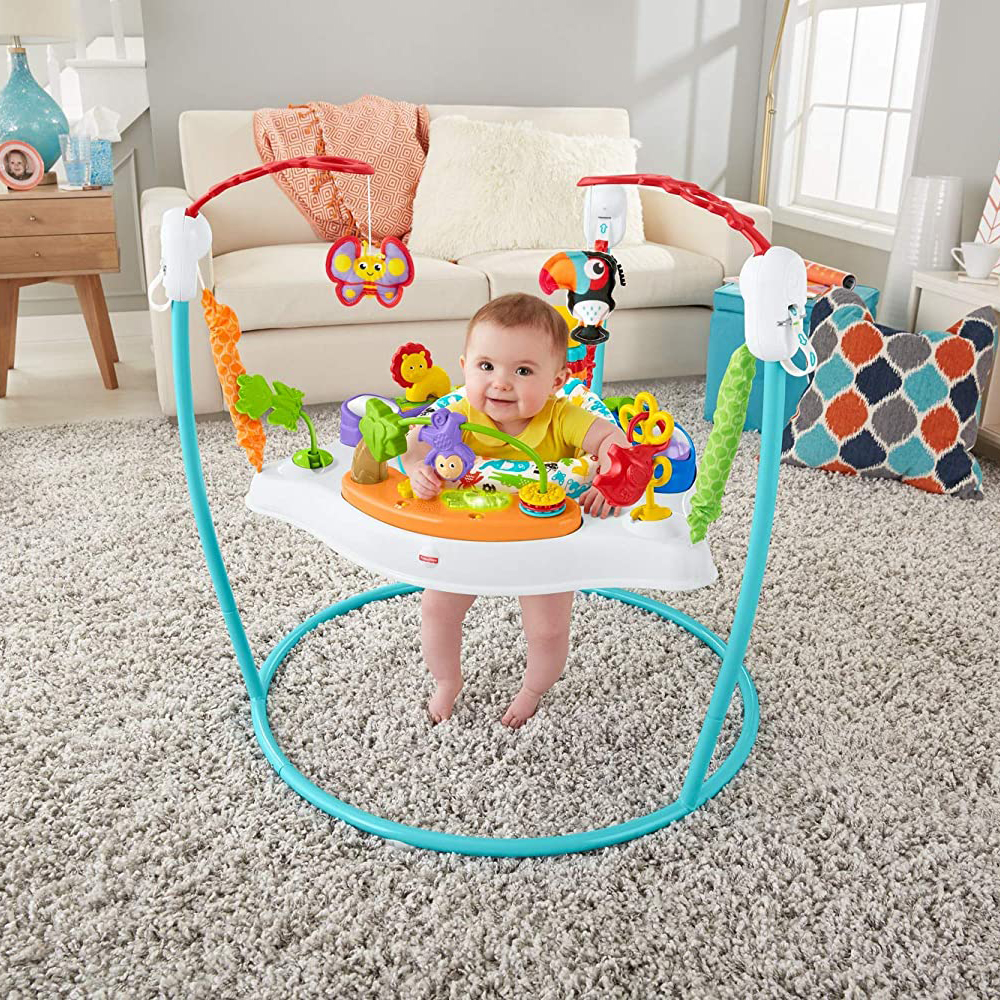
When shopping for a Bouncer, it’s easy to get caught up in the hype or focus on a single feature and overlook the bigger picture. Below are the most frequent pitfalls we see shoppers fall into, and why they can lead to disappointment or wasted money.
Choosing based solely on price. A lower‑priced model may seem like a bargain, but it often sacrifices critical components such as the motor’s torque, battery life, or the quality of the safety sensors. In the long run, you may end up spending more on repairs or a replacement.
Ignoring the weight‑capacity specifications. Many buyers assume that a Bouncer designed for toddlers will automatically handle a larger child. Exceeding the recommended weight limit can strain the motor, cause premature wear, and, most importantly, compromise safety.
Overlooking the footprint and clearance requirements. The Bouncer’s base needs a clear, level surface and enough surrounding space for the swinging motion. Placing it too close to walls, furniture, or staircases can lead to collisions or restricted movement, which defeats the purpose of a smooth ride.
Focusing on aesthetics over ergonomics. A sleek colour or modern design is appealing, but the seat’s shape, padding, and adjustability are what determine comfort for your child. A visually attractive unit that forces an awkward posture can cause fussiness and limit usage time.
Neglecting the noise level. Some Bouncer models emit a noticeable hum or mechanical whir when the motor is active. If you plan to use it in a bedroom or shared living area, a louder unit can become a source of irritation for both child and parent.
Assuming all accessories are necessary. Extras like detachable toys, music modules, or extra padding can be marketed as essential upgrades. In many cases, the core Bouncer functions perfectly well without them, and the added cost may not justify the marginal benefit.
Skipping the warranty and service terms. A seemingly generous warranty can be riddled with exclusions—such as damage caused by “improper use” or “unauthorized repairs.” Understanding these terms before purchase can save you headaches later.
Relying on a single review source. One glowing review or a single influencer’s endorsement rarely tells the whole story. Cross‑checking multiple reputable sources, including user forums and independent testing sites, provides a balanced view of performance and durability.
By keeping these common errors in mind, you can avoid costly missteps and select a Bouncer that truly fits your family’s needs.
How we evaluate
Our assessment process is a blend of hands‑on testing, data analysis, and real‑world user feedback. We aim for a transparent, reproducible methodology that highlights both strengths and weaknesses, so you can make an informed decision.
Initial specifications review. We start by compiling the manufacturer’s technical data—motor power, weight capacity, dimensions, battery runtime, and safety certifications. This baseline helps us set expectations for performance and durability.
Build‑quality inspection. Each unit is examined for material robustness, weld integrity, and finish quality. We check for sharp edges, loose components, and the sturdiness of moving parts, documenting any concerns with high‑resolution photos.
Performance testing. In a controlled environment, we measure:
Motor torque and acceleration to gauge how smoothly the Bouncer starts and stops.
Battery endurance under continuous operation and intermittent use, noting charge‑time and degradation over multiple cycles.
Noise output using a decibel meter at typical operating distances.
Safety validation. We verify that all safety sensors (weight sensors, tilt switches, emergency stop mechanisms) trigger correctly. The unit is also subjected to a series of drop and impact simulations to ensure it meets or exceeds industry safety standards.
Ergonomic assessment. Trained ergonomists evaluate seat comfort, adjustability, and support for a range of child sizes. We record how easily the seat can be adjusted, the quality of padding, and whether the design encourages a natural, relaxed posture.
Usability study. Two parents with infants of different ages operate the Bouncer for a week each. Their feedback on assembly, daily handling, cleaning, and child engagement is compiled into a structured questionnaire.
Long‑term reliability simulation. We run accelerated wear tests that replicate months of use in a compressed timeframe, focusing on motor wear, battery health, and the resilience of moving joints.
Comparison matrix. All collected data are plotted against competing models in a weighted scoring system. Weightings reflect the priorities of most families: safety (30%), durability (25%), performance (20%), ergonomics (15%), and price/value (10%).
Final verdict synthesis. The scores are reviewed by a panel of experts—engineers, child‑development specialists, and seasoned parents. Their consensus, combined with the quantitative scores, forms the narrative of our review, highlighting where the Bouncer excels and where it falls short.
This rigorous, multi‑dimensional approach ensures that our evaluation is both objective and practical, giving you confidence that the recommendations are rooted in real‑world performance, not just marketing hype.
Frequently asked questions
What types of attacks does Bouncer protect against?
Bouncer defends against volumetric DDoS attacks, layer‑7 (application) attacks, malicious bots, credential stuffing, and common web vulnerabilities such as SQL injection and cross‑site scripting.
Do I need to change my hosting provider to use Bouncer?
No. Bouncer works with any hosting environment because it sits at the DNS level, so you simply point your domain to Bouncer’s nameservers.
Can I whitelist certain IP addresses or regions?
Yes. The platform includes built‑in whitelisting options, and higher tiers allow more granular geographic and IP‑range controls.
How does Bouncer handle false positives?
The dashboard provides detailed logs for each blocked request, letting you review and adjust rules. You can also set up alerts to be notified of potential false positives.
Is there a free trial available?
Bouncer typically offers a short‑term trial for new users, allowing you to test the core features before committing to a paid plan.
What kind of support does Bouncer provide?
All plans include email support, while Advanced and Enterprise tiers get priority ticket handling and optional phone support.
A buyer’s closing guide
Choosing a security solution is a balance between risk tolerance, technical capability, and budget. Bouncer delivers a compelling mix of edge‑level protection, user‑friendly analytics, and flexible pricing that makes it a strong contender for small and medium‑sized sites. However, if you need deep WAF customization or enterprise‑grade SLAs, you may want to explore alternatives that specialize in those areas.
Take the time to map your specific threat landscape, test the free trial, and compare the total cost of ownership against your security goals. If the features align with your needs and the price feels right, Bouncer can give you peace of mind without overcomplicating your setup.