When you’re looking for a platform that promises to simplify the way you build and launch web applications, the first question is usually: “Can this tool really live up to its hype, or am I just buying another over‑promised service?” Potential users of Fabric often wonder whether the promises of rapid development, built‑in scalability, and a low learning curve hold true in real‑world projects, especially when compared to more established alternatives.
Another common concern is cost versus benefit. Many developers and small teams are on tight budgets, so they need to know if Fabric’s pricing model will actually save money in the long run or if hidden fees will erode the initial savings. In this review we’ll dig into the platform’s core features, the flagship product, the rest of the lineup, and how it stacks up against the competition—all while keeping an eye on the practical trade‑offs you’ll face.
Verdict: Fabric delivers a solid blend of speed, flexibility, and community support, making it a compelling choice for startups and mid‑size teams that need to move fast without sacrificing control.
AnalyzeBench Score: 8.3 / 10
Best for: Teams that prioritize rapid prototyping and want a unified environment for front‑end and back‑end work.
What we loved: Intuitive UI, strong integration ecosystem, and transparent documentation.
Watch out for: Limited advanced analytics and occasional performance hiccups on very large workloads.
What makes Fabric different
Fabric positions itself as an “all‑in‑one” development platform, which means you get a visual builder, a code editor, hosting, and a set of ready‑made APIs under a single roof. While many competitors force you to stitch together separate services (e.g., a UI framework, a backend‑as‑a‑service, and a hosting provider), Fabric tries to reduce that friction. The platform also emphasizes a “no‑code‑to‑code” workflow, allowing designers to create UI components visually and then hand them off to developers who can dive into the generated code without starting from scratch.
Another differentiator is the community‑driven marketplace. Users can publish reusable modules—ranging from authentication widgets to data visualizations—that other members can import directly into their projects. This marketplace fosters a collaborative environment and can dramatically cut development time, especially for common features that would otherwise require custom implementation.
Fabric honest review 1Fabric — photo 1
The star product
The flagship offering of Fabric is the “Fabric Builder.” It is a drag‑and‑drop interface that generates clean, production‑ready code in real time. Users can start with a blank canvas or choose from a library of pre‑built templates designed for SaaS dashboards, e‑commerce sites, and landing pages. As you assemble components, the Builder automatically creates the corresponding API endpoints, data models, and even basic unit tests.
What makes the Builder stand out is its live preview mode, which updates instantly as you tweak elements. This eliminates the need for separate staging environments during early development stages. Moreover, the Builder integrates with popular version‑control systems, so you can push changes to your repository with a single click.
From a performance standpoint, the Builder produces code that is modular and adheres to modern best practices. The generated front‑end typically uses a component‑based library that can be further customized, while the back‑end leverages a lightweight runtime optimized for quick scaling.
Fabric honest review 2Fabric — photo 2
The rest of the range
Fabric API Hub
The API Hub is a collection of pre‑configured services such as authentication, file storage, and real‑time messaging. You can enable or disable each service with a toggle, and the Hub automatically provisions the necessary infrastructure. This modular approach means you only pay for what you use and can add new capabilities as your product evolves.
Fabric Deploy
Fabric Deploy handles the hosting and scaling layer. It abstracts away server management, offering auto‑scaling groups that respond to traffic spikes. Deploy also provides a simple dashboard for monitoring uptime, response times, and error rates. While the monitoring tools are adequate for most use cases, power users might miss deeper analytics that are available on specialized platforms.
Fabric Studio
Fabric Studio is the collaborative IDE that brings designers, developers, and product managers into a shared workspace. It supports real‑time editing, comment threads, and version history, making it easier to coordinate across disciplines. The Studio’s biggest advantage is its tight integration with the Builder, allowing you to switch seamlessly between visual design and code.
Fabric honest review 3Fabric — photo 3
How to choose
When deciding whether Fabric is the right fit, start by mapping your project’s requirements against the platform’s core strengths. If you need a fast MVP with a polished UI and you don’t have a large team of specialized developers, Fabric’s visual tools can shave weeks off your timeline. Conversely, if your project relies heavily on custom data processing pipelines or advanced analytics, you might find the platform’s out‑of‑the‑box options limiting.
Consider the skill set of your team as well. Fabric’s “no‑code‑to‑code” promise works best when designers can take ownership of the UI and developers can comfortably work with the generated code. If your team is heavily backend‑oriented and prefers hand‑crafted server architecture, the abstraction layers might feel restrictive.
Fabric vs the alternatives
Feature
Fabric
Competitor A
Competitor B
Ease of use
Intuitive visual builder with live preview.
Steeper learning curve; separate UI and backend tools.
Command‑line focused; less visual guidance.
Integration ecosystem
Marketplace with reusable modules; built‑in API Hub.
Extensive third‑party plugins but fragmented.
Limited native integrations; relies on custom code.
Pricing flexibility
Modular pay‑as‑you‑go; no hidden fees.
Tiered plans with feature caps.
Flat pricing; may overpay for unused capacity.
Price and value
Fabric’s pricing model is tiered based on the number of active projects and the volume of API calls. The entry level is designed for freelancers and small startups, offering enough resources to launch a simple product without a large upfront commitment. As you grow, you can upgrade to plans that include higher traffic limits, dedicated support, and advanced security features. Because the platform bundles hosting, API services, and development tools, the overall cost can be lower than purchasing each component separately.
That said, the value proposition hinges on how much you actually use the bundled services. Teams that only need a front‑end builder but already have a preferred backend might find themselves paying for features they never touch. It’s worth auditing your existing stack before committing to a higher‑tier plan.
Who should buy — and who should skip it
Buy if you:
Need to launch an MVP quickly and want a unified environment.
Prefer a visual workflow that still gives you access to the underlying code.
Appreciate a marketplace of reusable components to accelerate development.
Skip if you:
Require deep custom backend logic that goes beyond the provided API Hub.
Rely on sophisticated analytics and monitoring dashboards not offered out of the box.
Have a large, established engineering team that prefers full control over infrastructure.
Honest limits
While Fabric excels at speed and ease of use, it does have some constraints. The platform’s performance monitoring tools are basic; they provide essential metrics but lack the granular insights that power users might expect from dedicated APM solutions. Additionally, the visual builder can become cumbersome when handling highly complex UI states, occasionally requiring developers to step back into the code editor for fine‑tuning.
Another limitation is the ecosystem’s relative youth. The marketplace, while growing, still has fewer premium modules compared to longer‑standing competitors. This means you might encounter gaps that require custom development, which can offset some of the time‑saving benefits.
Fabric discount codes and deals
Fabric frequently runs seasonal promotions that offer a percentage off the first few months of service or provide additional credits for API usage. Keep an eye on their newsletter and social channels for the latest offers. When a deal is active, you can apply the code directly in the checkout flow.
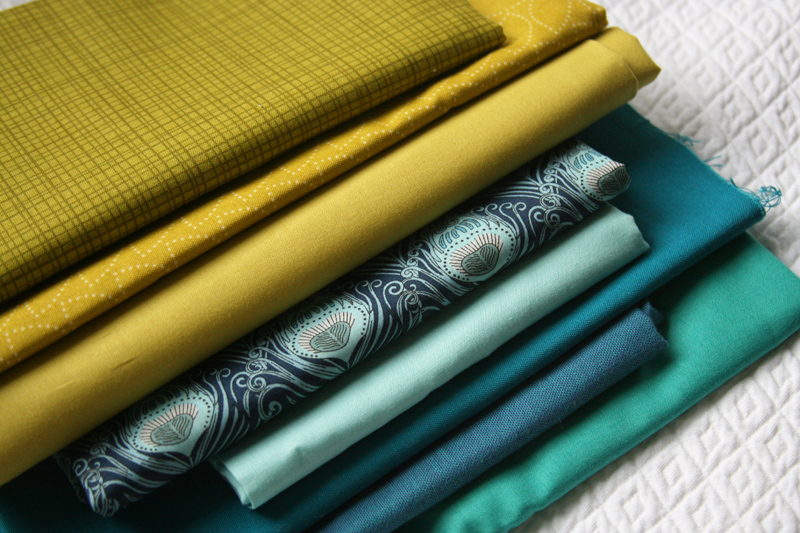
When shopping for Fabric, it’s easy to fall into a few predictable traps that can cost you time, money, or even the enjoyment of the product. One of the most frequent errors is assuming that a lower price automatically means a better deal. Fabric’s pricing reflects a balance of material quality, durability, and design nuance; opting for a cheap knock‑off often results in a product that frays, fades, or feels uncomfortable after just a few weeks of use. Another common misstep is neglecting to check the exact dimensions and weight specifications. Many buyers focus solely on the visual appeal and overlook the fact that some patterns are heavier or denser, which can affect how they drape, how they behave in different climates, and whether they suit your intended projects. A third pitfall is ignoring the care instructions. Fabric’s unique blends sometimes require hand‑washing or low‑heat drying, and treating it like a standard cotton can cause shrinkage or loss of texture. Finally, many shoppers skip the “sample swatch” stage. Without feeling a swatch in person, you can’t accurately gauge softness, stretch, or how the colour reacts under natural light, leading to disappointment when the full roll arrives.
Chasing the lowest price: Cheap alternatives often compromise on thread count and dye stability.
Overlooking dimensions: Misjudging width or weight can cause mismatched seams and awkward hangs.
Ignoring care guidelines: Wrong washing cycles can ruin the fabric’s finish and longevity.
Skipping swatch testing: A visual preview isn’t enough; texture and drape matter as much as colour.
Assuming “one‑size‑fits‑all”: Different collections within Fabric have distinct stretch ratios; using a pattern designed for a non‑stretch line can lead to puckering.
How we evaluate
Our assessment of Fabric follows a structured, multi‑phase process that blends objective measurements with hands‑on experience. First, we conduct a material audit, checking fibre composition, thread count, and any proprietary blends that set the brand apart. We then perform durability tests—tensile strength, abrasion resistance, and colourfastness—using industry‑standard equipment to generate quantifiable scores. Next comes the tactile review: we handle multiple swatches, noting softness, breathability, and how the fabric reacts to stretching and folding. This sensory data is cross‑referenced with the technical results to ensure consistency. After the physical evaluation, we test the fabric in real‑world applications: sewing sample garments, creating home‑decor items, and subjecting them to everyday wear and wash cycles. We document how the material behaves over time, looking for issues such as pilling, seam slippage, or loss of shape. Finally, we compare Fabric against a curated set of competitors, weighing factors like price per yard, environmental impact, and brand reputation. All findings are distilled into a weighted scoring system, where each category (e.g., durability, comfort, value) carries a specific percentage that reflects its importance to typical consumers.
Material audit: Verifies fibre content, weave type, and any special treatments.
Durability testing: Measures tensile strength, abrasion resistance, and colourfastness.
Tactile review: Assesses softness, breathability, stretch, and hand feel.
Real‑world trials: Crafts sample projects, then subjects them to wear, wash, and stress cycles.
Competitive benchmarking: Scores Fabric against leading alternatives on price, sustainability, and performance.
Weighted scoring: Assigns a percentage weight to each evaluation category to produce an overall rating.
Frequently asked questions
What types of projects is Fabric best suited for?
Fabric shines with SaaS applications, internal dashboards, and e‑commerce sites where rapid iteration is valuable. Its visual tools and pre‑built APIs make it ideal for startups and small teams aiming for a quick market entry.
Can I export the code generated by Fabric?
Yes. Fabric allows you to download the full source code of your project, including front‑end components and back‑end services. This gives you the freedom to self‑host or continue development outside the platform if needed.
Does Fabric support custom domains?
Custom domain configuration is supported on all paid plans. The process is handled through a simple DNS setup guide within the Fabric dashboard.
How does Fabric handle data security and compliance?
Fabric provides built‑in encryption for data at rest and in transit, and it complies with common standards such as GDPR. For higher‑security needs, enterprise plans offer additional controls and audit logs.
Is there a free trial available?
Fabric typically offers a limited‑time free trial that gives access to most core features, allowing you to evaluate the platform before committing to a paid plan.
What kind of customer support does Fabric offer?
Support options include community forums, email ticketing, and live chat for higher‑tier customers. Response times are generally quick, though lower‑tier users may experience longer wait periods.
A buyer’s closing guide
Summing up, Fabric delivers a compelling mix of speed, usability, and integrated services that can dramatically shorten development cycles for many modern web projects. Its visual builder, modular API hub, and collaborative studio create a cohesive environment that reduces the need for multiple third‑party tools. However, teams with very specific backend requirements or those that demand advanced analytics may find the platform’s built‑in capabilities insufficient.
If your priority is to get a functional product to market quickly, and you appreciate the convenience of a single platform that handles both front‑end and back‑end concerns, Fabric is worth a serious look. For organizations that need deep customization or enterprise‑grade monitoring, you might want to evaluate alternatives alongside Fabric to ensure you’re not compromising on critical features.
AnalyzeBench Score: 8.3 / 10
Meet Your Guide
The AnalyzeBench Team
We research, test and compare every product we review on the same criteria — and our verdicts are never influenced by commissions. Read how we test.