ManyChat owns the "comment the word and I'll DM you" economy. The chat-marketing platform automates Instagram DMs, Facebook Messenger, WhatsApp and TikTok conversations: keyword-triggered replies, lead-capture flows, link delivery and drip follow-ups, at creator-friendly pricing — free for basic automation up to 1,000 contacts, Pro from ~$15/month scaling with audience size, with AI features layered on top.
The strategic ground it occupies: social platforms suppress link-in-bio friction and reward comment engagement, so the DM became the highest-converting channel in creator marketing — and ManyChat is its default automation layer, the tool behind most "comment LINK" posts in your feed.
Our verdict: for creators and e-commerce brands monetising Instagram or WhatsApp audiences, ManyChat is close to mandatory infrastructure — cheap, proven, and directly attributable to revenue. Businesses outside social-DM channels have no reason to visit. Score: 8.3 / 10.
→ Try ManyChat — see current pricing
What makes ManyChat different
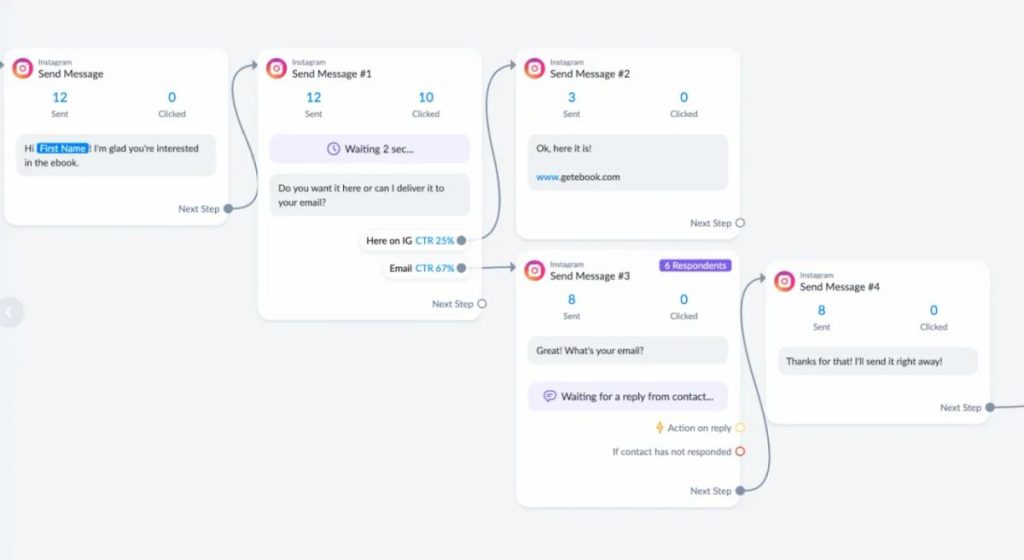
Channel depth over breadth: official API partnerships with Meta mean Instagram automation that respects platform rules (24-hour messaging windows, approved message types) instead of account-risking hacks. The flow builder handles the full pattern: comment trigger → DM with link → email capture inside the chat → tagged follow-up sequence. Growth tools attach automation to stories, live comments, mentions and ads, and the AI layer drafts replies, detects intent, and keeps conversations inside compliance windows.
Pricing
| Plan | Price | Reality |
|---|---|---|
| Free | $0 | Core Instagram/Messenger automation, 1,000 contacts, ManyChat branding |
| Pro | from ~$15/mo | Scales with contacts; unlimited flows, keywords, sequences, analytics |
| Elite/Premium | custom | Agency and high-volume support |
Pricing steps with contact count — a 10k-audience creator pays roughly $45-65/month, which one converted DM campaign typically repays. WhatsApp conversations carry Meta's per-conversation fees on top; budget them for volume broadcast use.
The operator experience
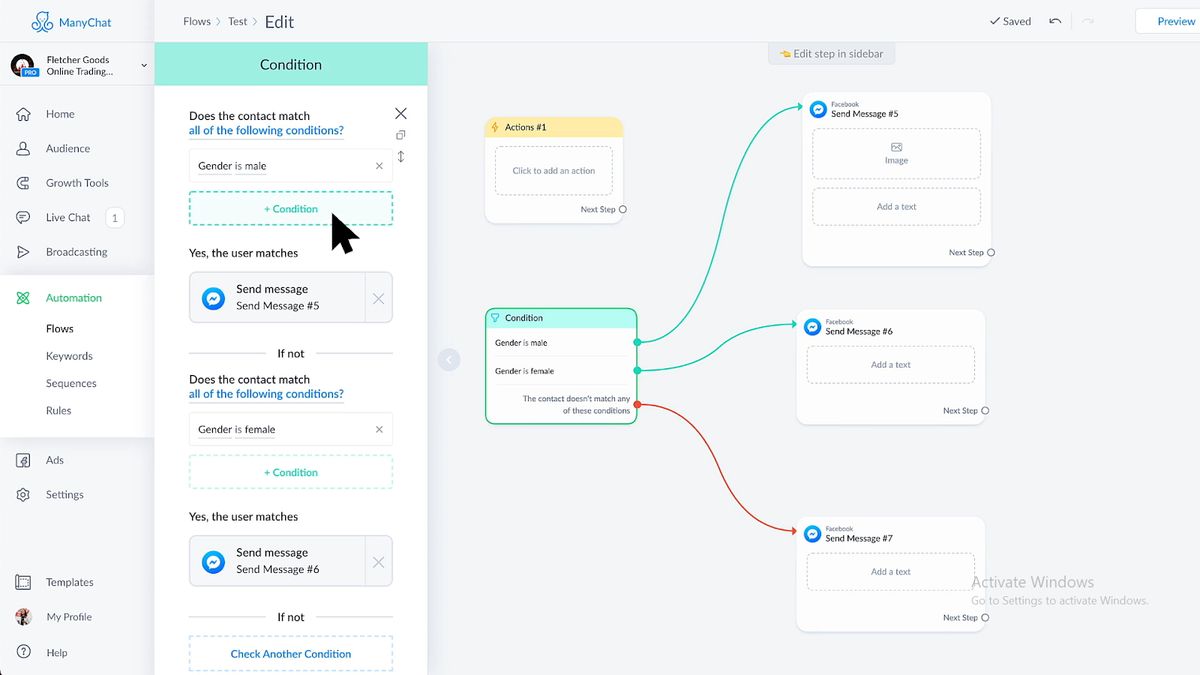
A working comment-to-DM funnel takes fifteen minutes flat: choose post, set keyword, write the DM with the link, publish. The flow builder is visual and forgiving; templates cover the standard plays (lead magnet delivery, webinar registration, abandoned cart, story reply capture). The disciplines that separate professionals: always capture email inside the chat (DM lists are rented land twice over), respect message windows to protect deliverability, and keep flows short — chat is a corridor, not a castle.
ManyChat vs the alternatives
Against Chatfuel and the legacy bot builders: ManyChat won the creator mindshare war and the template ecosystem shows it. Against native platform tools (Meta's built-in auto-replies): fine for greetings, useless for funnels — no capture, no sequences, no analytics. Against Chatbase-style website bots: different organ — Chatbase answers your docs on your site; ManyChat drives revenue conversations inside social apps. Serious operations run both without overlap.
Pros, cons and limits
Pros: proven revenue attribution; official Meta partnership safety; fast setup with template library; email capture in-chat; free tier is genuinely useful; scales to agency use.
Cons: pricing climbs with list size; WhatsApp fees add up at volume; platform-dependency risk is structural (Meta rule changes ripple immediately); flow sprawl becomes unmanageable without naming discipline; support tiers track spend.
ManyChat deals
Free tier without card; Pro trials recur through partner channels. Start free, upgrade when the branding removal and analytics matter.
The flow library: five automations that carry most accounts
Beyond the famous comment-to-DM trigger, the patterns that generate measurable revenue deserve blueprints. The lead-magnet engine: keyword comment → DM with resource link → email request framed as delivery insurance ("where should I send the full version?") → tag by topic for segmented follow-up; conversion from comment to captured email routinely runs 40-60% versus single-digit bio-link paths. The story-reply capture: polls and question stickers trigger DM conversations automatically, converting Instagram's highest-intent surface (story engagers) into contactable leads. The live-launch machine: during launches, a keyword across all content routes to a waitlist flow with reminder sequences — the pattern behind most creator-economy launch numbers you see screenshotted. The abandoned-conversation recovery: a delay-then-nudge on unanswered DMs recovers a meaningful slice of drop-offs within the messaging window. The FAQ deflector: intent keywords (shipping, price, size) trigger instant answers with escalation to human — support volume drops while response time hits seconds. Each blueprint installs from templates in minutes; the compounding comes from the tag taxonomy underneath, which turns every interaction into audience data.
The craft rule across all five: chat is a corridor, not a residence. Flows that deliver value in two-to-four messages and route to the destination (email list, checkout, booking) outperform chatty labyrinths on every metric, and respect the platform windows that keep deliverability healthy.
WhatsApp: the second act for global commerce
For businesses in WhatsApp-first markets — Vietnam, Indonesia, Brazil, most of LATAM and South Asia — the WhatsApp channel is not an add-on but the main event. ManyChat's implementation rides the official Business API: verified business profiles, template messages for re-engagement outside the 24-hour window (Meta-approved, per-conversation fees apply), catalog integration, and the automation vocabulary of the Instagram side applied to the channel where purchase conversations actually close. The working patterns: order confirmation and shipping-update flows (customers overwhelmingly prefer WhatsApp to email for logistics — open rates near-total), abandoned-cart recovery via template messages, and conversational commerce where the FAQ deflector hands qualified buyers to human closers. The fee arithmetic needs respect — per-conversation charges at broadcast scale add up — but against SMS costs and email's inbox lottery, WhatsApp's economics and attention quality win the region decisively. For a Vietnamese e-commerce operation, the honest summary: this channel configured well is worth more than the rest of the platform combined.
ManyChat AI: intent without the creepiness
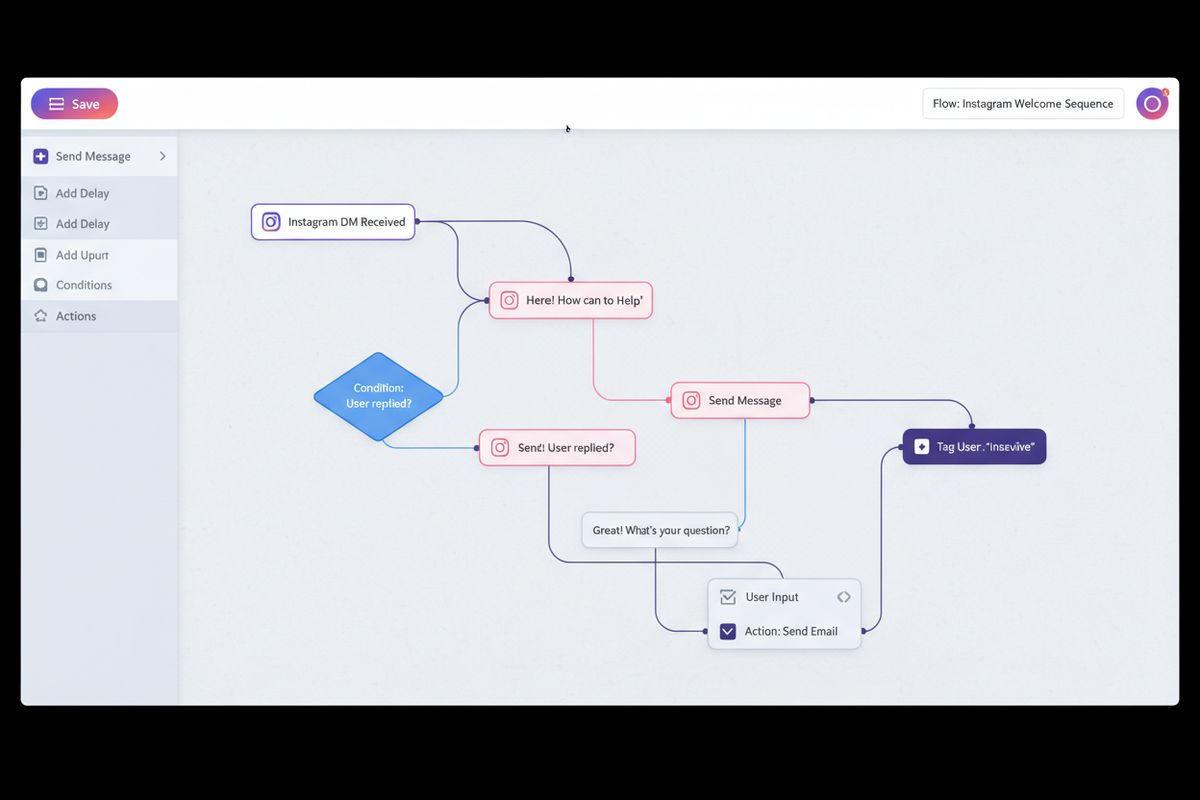
The AI layer earns its keep in three places: intent recognition (routing free-text replies to the right flow instead of the dreaded "I didn't understand"), AI-assisted reply drafting inside live chat for human agents, and flow-building suggestions for beginners. The calibration advice from heavy users: keep AI responses tightly scoped to your configured knowledge (open-ended generation in brand DMs risks off-message improvisation), always disclose automation at conversation start, and use AI routing as the safety net under keyword precision rather than a replacement for flow design. Configured so, the AI closes the biggest historical gap in chat marketing — humans typing keywords wrong — without opening the hallucination gap that unsupervised bots create. It is assistive intelligence, correctly sized, and notably cheaper than the AI-agent add-ons rival platforms price separately.
Compliance and platform risk, managed like an operator
Building on rented land demands reading the lease. The rules that matter: Meta's 24-hour messaging window (free-form replies only within a day of the user's last message; template/tagged messages after), prohibited content categories, and the requirement that automation identify itself on request. ManyChat's official-partner status means the rules are enforced through the tool — flows that violate windows simply do not send — which converts compliance from legal anxiety into product constraint. The strategic hedge remains non-negotiable: capture email and phone inside every high-value flow, because the DM list is doubly rented (platform rules above, algorithm reach below), and the operators who migrated audiences through past platform upheavals were the ones whose chat flows had been quietly filling owned lists all along. Rule of thumb: every flow that delivers value asks for one piece of owned contact data before the destination link.
Agency economics: chat marketing as a service line
The service opportunity mirrors the GoHighLevel pattern at lighter weight: local businesses and creators will pay $300-1,500/month for managed chat marketing (setup plus optimisation plus reporting), against a tool cost of $15-65 per account. The deliverables that retain: monthly flow-performance reports (captured leads, click-throughs, revenue attributed), quarterly new-flow launches tied to the client's calendar, and the FAQ deflector's support-hours-saved number that non-marketing clients actually feel. ManyChat's agency program (multi-account management, white-label options at the Elite tier) formalises the model. The skill moat is shallow — the templates democratise competence — so the defensible layer is strategy: knowing which five flows fit a nail salon versus a course creator versus a restaurant, and writing message copy that sounds human in the client's voice. For freelancers adjacent to social media management, it is among the fastest current paths from tool literacy to recurring revenue.
Measurement: attribution that survives scrutiny
Chat marketing's advantage over most social tactics is that it measures cleanly, and the operator dashboard deserves a reading protocol. The funnel per flow: triggered → engaged (replied or clicked) → captured (email/phone) → converted (destination action), with drop-off between stages diagnosing the fix — weak trigger content, clunky message copy, greedy capture timing, or a destination that squanders the handoff. UTM-tagged links carry attribution into analytics and store backends, so "DM flows drove X revenue this month" is a report, not a feeling. The benchmarks worth holding flows against: comment-to-DM delivery rates above 90% (below signals keyword confusion), capture rates of 30-50% on warm lead magnets, and click-throughs from DM links that should embarrass your email rates — the channel's entire premise is attention quality, and the numbers should show it or the flow needs surgery. Monthly hygiene completes the protocol: prune dead flows, refresh keyword lists against how your audience actually comments, and re-test the top three flows' copy — chat copy ages faster than email copy because platform culture moves faster.
The verdict, consolidated: ManyChat occupies the rare position of being simultaneously cheap, proven and under-adopted relative to its leverage — most businesses on Instagram and WhatsApp still answer DMs by hand or not at all, which makes the automation a competitive edge rather than table stakes for at least another cycle. For creators and commerce operations in DM-heavy channels, the thirty-day experiment this review closed with is barely an experiment; it is deferred revenue collection. Score: 8.3 / 10.
Common ManyChat mistakes, catalogued for prevention
The recurring self-sabotage patterns from audits of underperforming accounts. Keyword sprawl — twenty trigger words across old posts firing conflicting flows; maintain a keyword register and retire aggressively. The infinite bot — flows that try to be conversations instead of corridors, haemorrhaging users at message five who would have clicked at message two. Capture greed — demanding email before delivering any value inverts the reciprocity that makes the pattern work; deliver first, ask second, always. Broadcast abuse — treating the contact list like an email list and burning through template-message budgets (and goodwill) on undifferentiated blasts; segment by the tags the flows collected, or the collection was theatre. Set-and-forget decay — platform culture shifts comment vocabulary quarterly, and last year's keyword ("LINK") quietly stops matching this year's commenting habits; the monthly hygiene pass exists for this. And the strategic mistake above all: building the entire audience relationship inside the DM layer with no owned-list capture, which converts a platform policy change from inconvenience into extinction event. Every item costs minutes to prevent and months to discover — the gap this checklist exists to close.
Closing the loop on the review's thesis: the DM is currently the highest-attention, highest-conversion surface in social commerce, ManyChat is its most proven automation layer, and the free tier prices the experiment at zero. The only genuinely expensive option is the default one — answering by hand what the machine answers in seconds, and losing the leads that message at midnight. Score: 8.3 / 10.
ManyChat pricing psychology: when free stops being free
The contact-count model deserves a budgeting note, because the free tier's thousand-contact ceiling arrives faster than planned — every commenter who triggers a flow becomes a contact, and one viral post can graduate an account overnight. The healthy read: hitting the paywall is a success metric (the machinery worked), and the Pro pricing at each band stays comfortably under the revenue the same contacts represent. The hygiene lever most operators miss: contact pruning — unengaged contacts from old campaigns pad the bill without prospect value, and a quarterly cleanup of ninety-day-silent contacts keeps the band honest. Paired with the owned-list discipline the review keeps preaching, the contact count becomes a pipeline metric rather than a cost anxiety.
FAQ
Will automation get my account banned?
Not via ManyChat's official API integration — the risk lives in third-party tools that fake user sessions. Respect messaging windows and content rules.
Does comment-to-DM actually convert?
The pattern's persistence is the evidence: DM delivery beats bio links on click-through by multiples in most creators' measurement, because the link arrives in a private, notified channel.
What should the first automation be?
Lead magnet delivery on your best-performing content format: comment keyword → DM the resource → ask for email → tag for follow-up. It compounds from day one.
Is WhatsApp worth the fees?
In WhatsApp-first markets (Southeast Asia, LATAM, Brazil) — decisively, for order updates and reactivation. In DM-light markets, start with Instagram.
ManyChat or a human VA?
Automation for the repeatable 80% (delivery, FAQs, capture), human for the 20% that closes. The hybrid beats either alone.
The 30-day DM-revenue experiment
Week one: install the lead-magnet flow on your pinned and best-recent posts, email capture included. Week two: add story-reply and live-comment triggers; publish two posts designed around the keyword CTA. Week three: build one revenue flow — product link delivery with a follow-up nudge at 24 hours — and measure click-to-purchase against your bio-link baseline. Week four: read the attribution dashboard and decide like an operator: the tool either paid for its year in a month or told you your audience does not buy in DMs. Either answer is worth thirty days. Score: 8.3 / 10.